


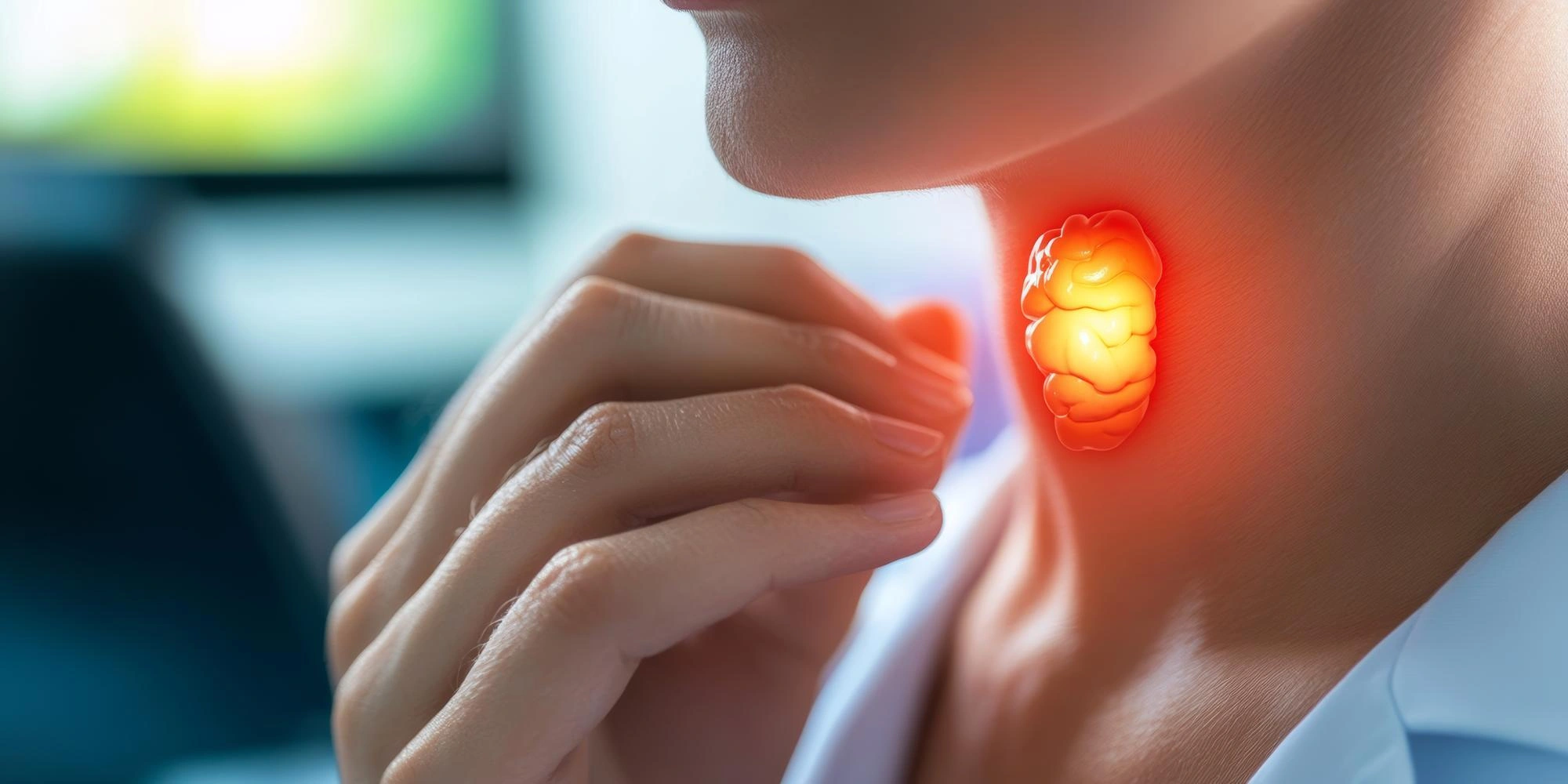
Thyroid nodules are far more common than most people realise. Many people discover them unexpectedly during a routine health check, an ultrasound done for another concern, or sometimes while touching the neck and noticing a small lump. The first reaction is often worry. The mind jumps to the worst-case scenario, and the immediate question becomes: “Do I need surgery?”
The truth is that most thyroid nodules do not require surgery. Many remain harmless throughout life and never grow, never change, and never cause symptoms. Modern thyroid care focuses on understanding the nature of the nodule rather than removing it simply because it exists. With better imaging, better testing, and more accurate monitoring, doctors now know when to intervene and when to simply observe.
This shift from cutting to watching is one of the most important changes in thyroid management today.
Understanding What a Thyroid Nodule Really Is
A nodule is simply a growth within the thyroid gland. It may be solid, fluid-filled, or a mix of both. Most nodules form due to normal changes in the gland over time. Some appear due to iodine deficiency, inflammation, or hormonal variations.
The presence of a nodule does not automatically mean disease. In fact, a large number of nodules are entirely benign. The key is knowing which ones carry a risk and which ones only need periodic review.
Why Many Nodules Don’t Need Surgery
Advances in ultrasound and fine-needle aspiration (FNA) testing have allowed specialists to accurately assess the behaviour of nodules.
Once a nodule has been examined, its nature becomes clearer:
- Is it stable?
- Is it growing?
- Is it producing hormones?
- Does it have features that suggest concern?
Watching a harmless nodule, rather than operating immediately, protects the thyroid gland which is essential for metabolism, energy, and overall hormonal balance.
How Doctors Decide When “Watching” Is Enough
A careful evaluation begins with ultrasound. This scan shows the nodule’s size, structure, and characteristics. If the ultrasound looks reassuring, the next step may be a simple blood test to check thyroid function. Some nodules produce extra hormones, but many do not.
If needed, a fine-needle aspiration test is performed. This takes only a few minutes and is one of the most reliable tools to detect whether cells inside the nodule show any abnormality. Most results come back benign.
Once a benign diagnosis is confirmed, the plan is usually straightforward:
- Repeat ultrasound after a set period
- Compare images
- Watch for any change
Many nodules stay the same for years. Some even shrink over time. Surgery is avoided unless the behaviour changes.
When Surgery Becomes Necessary
Although most nodules don’t need surgery, there are certain situations where surgery is recommended.
A nodule may need removal if:
- It continues to grow steadily over time
- It compresses the windpipe or food pipe, causing discomfort or pressure
- It produces excess thyroid hormones
- FNA results are indeterminate or suspicious
- There is concern about thyroid cancer based on imaging or biopsy findings
Even in these cases, decisions are made with caution. The focus is on matching the right treatment to the patient’s exact condition rather than following a general rule.
Why “Watchful Monitoring” Is Safe
Many patients worry that watching a nodule means ignoring it. In reality, monitoring is an active and guided process. With regular reviews and ultrasound scans, changes are detected early.
This method avoids unnecessary surgery while ensuring that concerning nodules are not missed. It also protects the thyroid gland — preserving its natural function for as long as possible.
Hyperthyroidism, hypothyroidism, and other hormonal disturbances can occur after thyroid surgery. Avoiding unnecessary removal reduces these risks.
The Role of an Experienced Endocrine Specialist
Accurate judgment is at the heart of thyroid care. Knowing which nodules require surgery and which can be safely observed comes from experience, training, and careful interpretation of imaging.
Dr. Thalavai Sundarram has long been recognised for his systematic approach to thyroid evaluation. His assessments focus on clarity — understanding the nodule’s pattern, reviewing its behaviour over time, and guiding the patient with a plan that is safe, evidence-based, and personalised.
Many patients find reassurance in this balanced approach. They walk out with a clear explanation of their condition and a follow-up plan that does not force them into surgery unless absolutely necessary.
Conclusion:
A thyroid nodule can feel alarming at first, but most turn out to be harmless. With proper evaluation and consistent monitoring, many people avoid surgery altogether. The key is not to panic but to understand the nodule, observe it carefully, and act only when there is a real medical need.
If you’ve been diagnosed with a thyroid nodule and are unsure whether surgery is the right step, a consultation can help you understand your options clearly and confidently. At Dr. Thalavai Sundarram’s clinic, every decision is based on medical clarity, long-term safety, and the well-being of the patient.

Medically Reviewed by
Dr. Thalavai Sundarram
Endocrinologist
M.S., M.Ch (Endocrine Surgery) FARIS
BOOK APPOINTMENT