


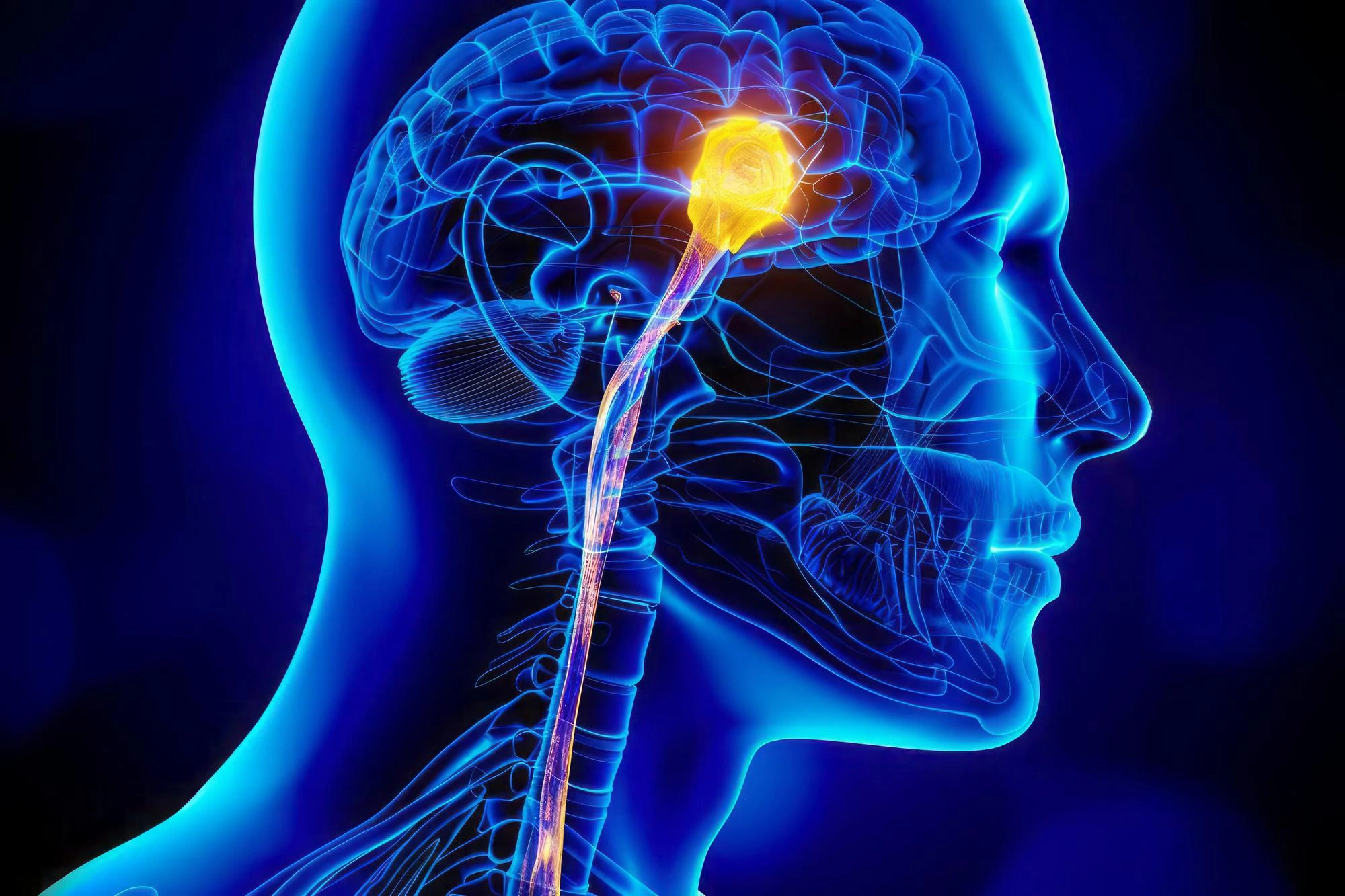
A small structure at the base of the brain takes charge of multiple hormonal processes across the body. Though roughly pea-sized, its reach extends deeply into development, energy balance, and fertility functions. This part works quietly behind the scenes during most lives, unnoticed under normal conditions. Trouble may begin subtly yet catching early signals often leads straight to better outcomes.
The Truth About Pituitary Tumors
Pituitary growths often spark worry because of the term tumor. Still, having such a growth doesn’t signal cancer. Most turn out harmless no threat beyond their presence. Just 1 in 500 cases link to malignancy, data reveals.
Most often, such growths fall into one of two categories - hormone-active or inactive ones. Hormone-active masses release excess chemicals that affect body processes; in contrast, the inactive kind create issues not through secretion but via physical pressure on nearby tissues. When present, even small enlargements near critical regions demand close attention from a healthcare provider, simply because location matters more than size sometimes. Without proper assessment, unnoticed changes might disrupt essential operations over time.
Vision Changes and Eye Health
Occasionally, shifts in eyesight point straight to issues with the pituitary. Sitting just beneath the paths that carry visual signals, this gland can become a source of trouble when enlarged. When growths press against those pathways, what follows might be blurred or duplicated images. Loss of sight across both outer fields - called bitemporal hemianopia - shows up regularly under such strain.
Bitemporal hemianopia means losing sight in the outer parts of both eyes’ viewing area. Vision may seem narrowed, as though looking through a tube. People often start colliding with things beside them without realizing. Trouble seeing to the sides can creep in slowly. When side vision weakens unexpectedly, medical attention becomes necessary. Double images appearing without clear cause add concern. Such changes point toward possible issues near the brain’s center. The pituitary gland sits in that region. Signs like these should prompt closer examination. A doctor’s evaluation helps uncover what lies behind the symptoms.
Menstrual Changes and Hormone Fluctuations
The menstrual cycle in females relies heavily on the pituitary gland. If its function declines, changes in menstruation typically follow. A frequent trigger? Hyperprolactinemia - a state where excess prolactin is released due to a growth within the gland.
Although prolactin drives milk creation, excess amounts when not pregnant may disturb estrogen and progesterone harmony. When that happens, menstrual cycles might become unpredictable, stop completely, or trigger lactation without cause. Far from mere stress signs, these changes point clearly to altered brain signaling behind hormone control.
Chronic Headaches May Signal Underlying Issues
Not every head discomfort means trouble - yet when it lingers, meaning shifts. Found behind the eyes or deep in the skull, such pressure often resists standard remedies. An ongoing ache might point toward hormonal imbalance. Rather than fading with usual treatment, it holds firm, suggesting something beneath the surface.
When headaches come with vision issues, their importance grows fast. A tumor might be big enough to raise pressure inside the skull, or it could push on nerves near the gland - this is what that mix often means. Pressure that never fades, paired with changes in eyesight, points toward something serious. Seeing a doctor quickly becomes necessary under such conditions.
Growth and Development in Children
When it comes to family health, the pituitary gland stands out mainly because it releases growth hormones. Problems arise in kids when this gland doesn’t work properly. A shortage of growth hormone often results in slower development. Instead of keeping up with classmates, a child might grow far more slowly. Because of low hormone output, height differences become noticeable early.
When certain tumors trigger too much growth hormone, bodies may grow at an unusual rate. Since the pituitary gland controls key hormonal signals, shifts in how a youngster grows need careful review. Getting support quickly tends to improve outcomes, allowing more natural development while reducing long-term health risks.
The Job of an Endocrinologist
Should warning signs show up, visiting a hormone specialist becomes key. Trained to make sense of intricate hormone patterns, these doctors rely on detailed scans to examine gland activity closely. Whether a growth releases hormones or just blocks space without causing harm, they identify its role through careful analysis.
One doctor seeing you regularly makes a difference. Because they track your condition across visits, small shifts - like hormone fluctuations or slight tumor growth - stand out sooner. Over months or years, this continuity supports earlier responses, often avoiding aggressive interventions down the line.
Handling How You Feel
Getting news about an issue with the body's main control gland might feel like too much at first. Still, nearly every one of these problems responds well to care today. Treatment paths differ some rely on drugs to reduce growths or adjust hormone levels, others use precise surgery with less physical impact.
Most worry fades when knowledge steps in. Knowing that pituitary growths usually do not spread helps ease fear. Symptoms such as blurred sight or constant head pain come from physical causes, not mystery. This clarity often gives people stronger footing during care. When loved ones listen well, stress finds less room to grow. A doctor who explains things plainly becomes an anchor. Trust builds slowly through honest talks over time.
Daily Choices That Support Pituitary Function
Though stopping tumors isn’t always possible, daily routines can strengthen the endocrine system. Eating foods packed with key minerals gives the body what it needs to make hormones. When sleep meets the body’s demands, vital processes like growth hormone release unfold naturally during rest.
Another key piece involves lowering long-term stress. When pressure builds, it activates the adrenal system - guided by the pituitary. Through gentle motion or stillness, that ongoing load eases. As tension fades, the central regulator operates with less interference.
Conclusion
One who knows about pituitary conditions might ease concerns by offering clear guidance. Strength in treatment at Dr. Thalavai Sundarram Clinic comes from science that fits naturally within everyday routines. Where deep knowledge joins gentle, one-on-one time, small shifts can lead to real change. Options unfold slowly - no rush, only room to reflect before choosing. Healing grows easier inside a calm household, where days flow without strain. Confidence grows quietly, often fed by small changes woven into routine days. Wellness moves through these moments, not just medicine bottles. Progress unfolds gradually; presence matters more than speed. Care follows each phase because trust takes root over time.

Medically Reviewed by
Dr. Thalavai Sundarram
Endocrinologist
M.S., M.Ch (Endocrine Surgery) FARIS
BOOK APPOINTMENT