


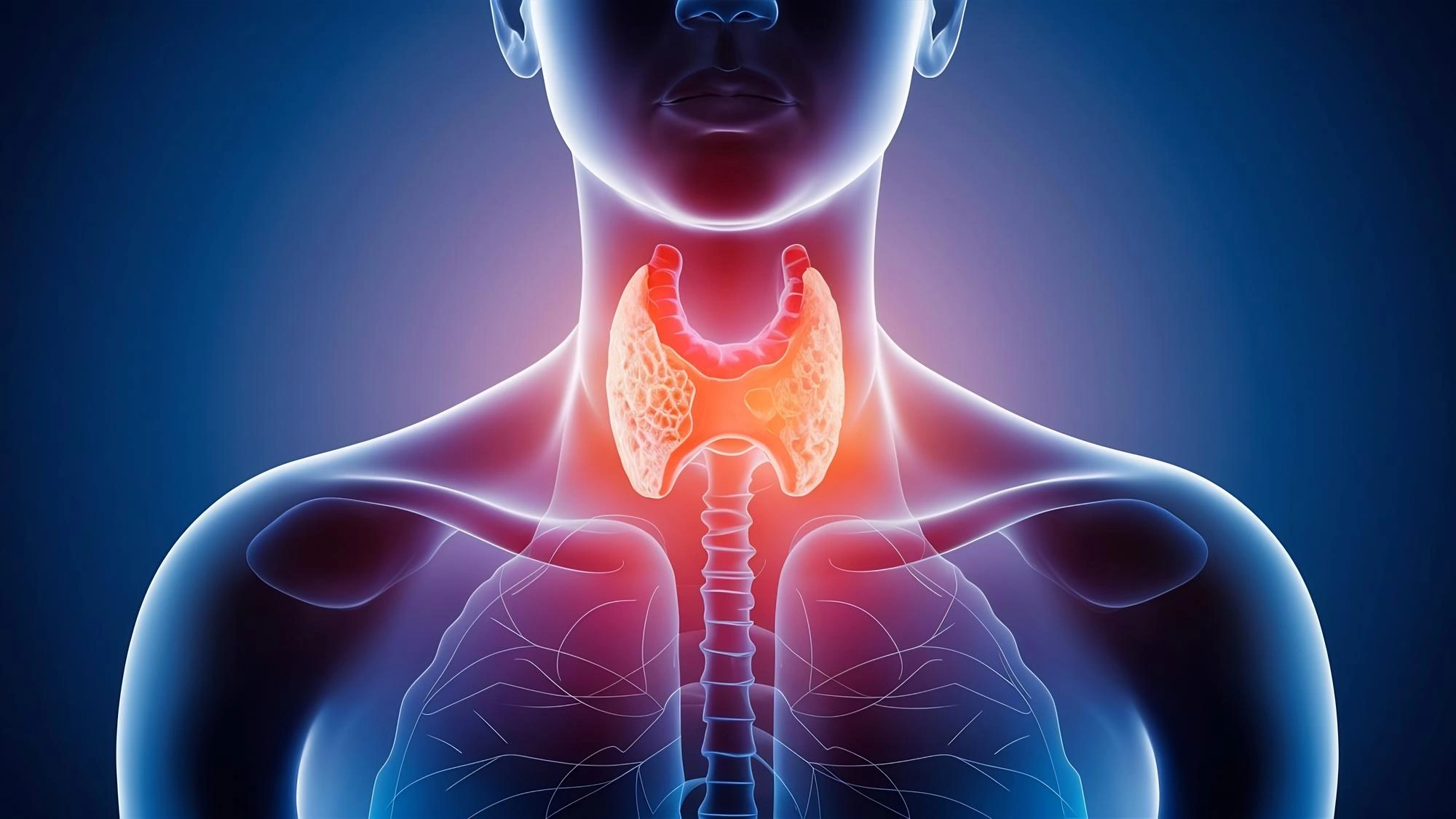
Most people have never heard about the parathyroid glands until something goes wrong. They sit quietly behind the thyroid, four tiny dots of tissue that handle one major job keeping calcium levels steady. When one of these glands develops a tumor, even a harmless one, the rhythm of calcium control begins to slip. And when calcium shifts, the whole body reacts.
What makes parathyroid tumors tricky is that the symptoms rarely appear suddenly. They build slowly, creeping into daily life in ways that don’t seem connected. Someone may feel tired for weeks. Another person might notice they are drinking more water. A third may complain of aches that do not fit their age. These small changes often get dismissed. The real cause usually comes to light only when a blood test shows calcium higher than expected.
Most parathyroid tumors are benign. The problem is not the tumor itself but the extra hormone it produces. This hormone tells the body to pull calcium out of the bones and release it into the bloodstream. Over time this creates an imbalance that touches almost every system. Many patients describe it as feeling “not quite themselves” for months without knowing why.
The first signs are often subtle. People feel worn out even after sleeping well. They lose interest in activities they once enjoyed. Some experience a foggy feeling where focus becomes harder. Bones may feel sensitive, especially in the hips or lower back. These symptoms rarely point directly to the parathyroid. They resemble everyday stress or early ageing, which is why the condition remains unnoticed for so long.
As the hormone rises further, the kidneys begin to feel the strain. The body tries to flush the extra calcium, so patients start drinking more water and visiting the restroom more often. Kidney stones can follow, sometimes as the first obvious sign that something is wrong. Others may notice stomach discomfort, nausea, or a loss of appetite. High calcium affects mood too. Some people feel more irritable. Others describe a low, dull sadness that has no clear cause.
Bone health slowly declines as the body keeps pulling calcium from the skeleton. Someone who was previously active might find themselves avoiding physical activity because of pain or weakness. Minor injuries may feel more intense, and fractures can occur more easily. Without treatment, this loss of bone strength continues silently.
This gradual decline is the reason early attention matters. A parathyroid tumor will not usually cause an immediate emergency, but it quietly reshapes the body’s balance. The longer it continues, the more the bones weaken and the more the kidneys struggle. The heart and nervous system also begin to show changes when calcium remains high for too long. Treating the tumor early not only stops the progression, it also helps reverse many of the symptoms.
Diagnosis involves simple steps. A blood test showing high calcium is the first clue. When parathyroid hormone repeats the same pattern, the picture becomes clearer. Imaging studies then help identify which gland is overactive. These tests allow the surgeon to find the exact location of the tumor and plan the operation with precision.
Surgery is the definitive treatment. Medicines may help temporarily but cannot fix the source of the problem. Once the overactive gland is removed, calcium levels begin to settle, often within hours. Many patients feel the difference quickly. They wake up with a headache they did not realise they had before. Their mind feels clearer. Their energy steadies. Over the next weeks, bones begin to rebuild strength and the kidneys recover from the strain.
Recovery after surgery is usually smooth. The incision is small and the discomfort mild. Most people go home the next day and return to routine activities soon after. What surprises many is how much better they feel once their calcium returns to normal. They look back and realise how long the symptoms had been affecting their life, even though they never linked them to a hormonal issue.
Parathyroid tumors respond extremely well to treatment when addressed early. That is why doctors encourage patients not to ignore persistent tiredness, kidney stones, or unexplained bone pain. These signs may appear unrelated but often lead back to the same cause. A simple test can reveal the problem long before complications set in.
A proper evaluation by a specialist provides clarity. Understanding why the tumor formed, how it affects calcium, and what treatment will correct it gives patients confidence. This condition is one of the most correctable hormonal disorders, and timely surgery offers long lasting relief.
At Dr. Thalavai Sundarram’s clinic, patients with suspected parathyroid disease receive a detailed assessment and guidance that focuses on long term health. Early diagnosis and precise treatment restore balance, protect bone strength, and allow patients to return to life with renewed energy and comfort.

Medically Reviewed by
Dr. Thalavai Sundarram
Endocrinologist
M.S., M.Ch (Endocrine Surgery) FARIS
BOOK APPOINTMENT