


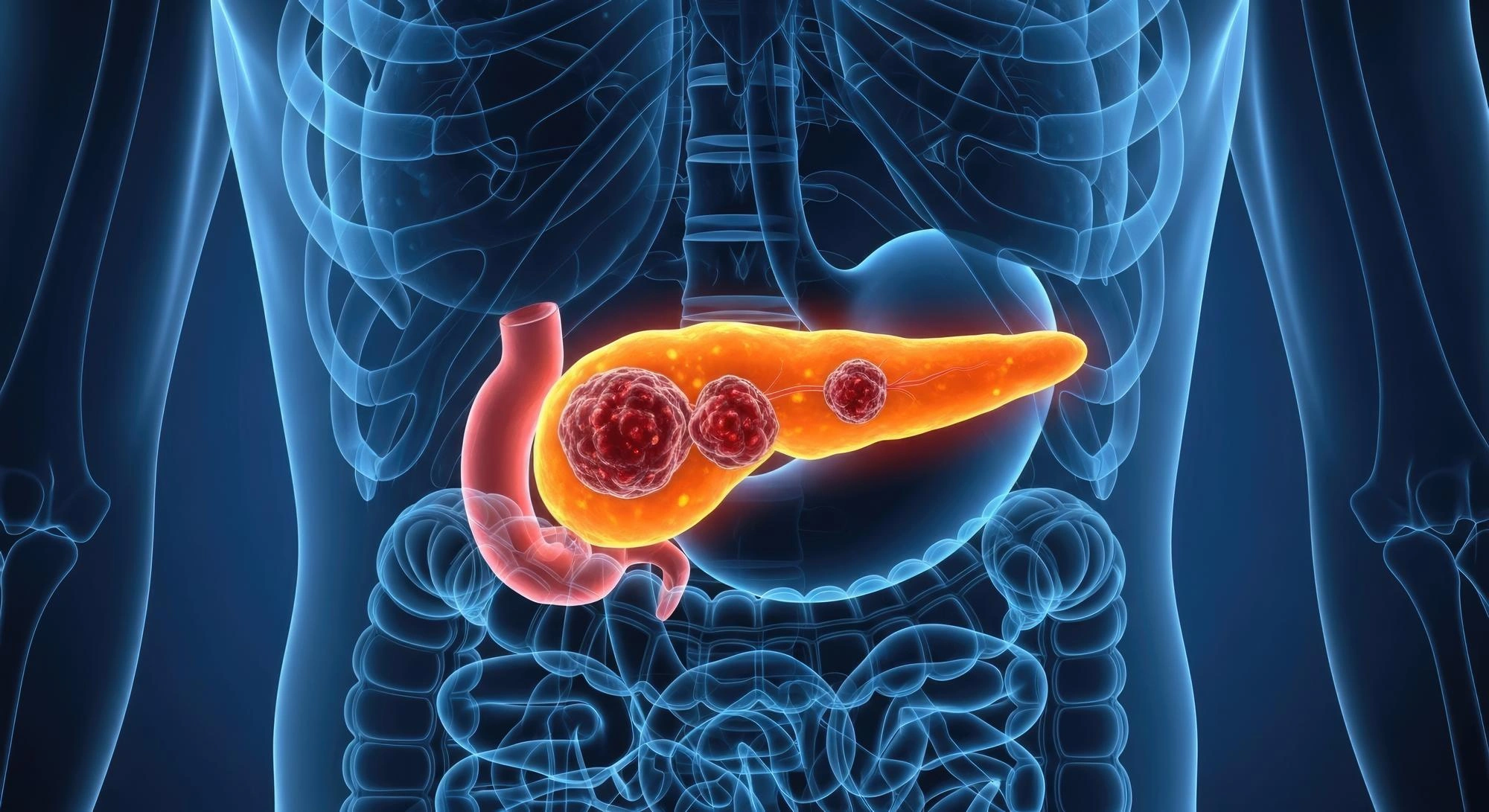
Most people overlook pancreatic well-being until clear problems appear. Though hearing the word tumor brings worry, recognizing distinct red flags may support earlier diagnosis and improved outcomes. Knowledge of such bodily cues matters deeply for maintaining long term vitality and household health.
Spotting First Signs of Trouble
Unexpected weakness sometimes arrives without warning. A wave of dizzyness may follow, not due to fatigue alone but tied to deeper metabolic shifts. Such symptoms often point toward insulinoma, a rare growth in hormone-producing cells of the pancreas. Too much insulin floods the system when this occurs, dragging glucose levels into dangerous lows. Episodes of unsteadiness serve as early warnings - signals from inside the body that balance has been disrupted. Overlooking them risks missing what lies beneath: an overactive gland altering normal function.
Understanding Tumor Variations
Not all tumors in the pancreas mean cancer - many assume otherwise. Some grow without turning harmful; others follow a dangerous path. Yet each mass, regardless of type, needs expert review. Only when doctors test early can uncertainty fade. Clarity comes through timely exams, nothing less.
Recognizing Pain Patterns
Most times, pain speaks clearly about what's happening inside the pancreas. When belly ache turns sharp and stretches into the back, attention must follow. Should stomach soreness linger and slowly climb up toward the spine, urgency rises without delay. Such movement of hurt commonly points to pressure from tissue changes near vital areas. That kind of signal rarely appears without reason behind it.
Hormonal Balance and Its Impact
Not just involved in breaking down food, the pancreas also manages key hormones. If a growth forms, normal insulin output may falter. Because of such changes, people often feel lightheaded or drained without warning. Tracking these patterns helps preserve steady energy balance across the body.
Navigating Many Kinds of Tumors
Chronic digestive problems sometimes point to something deeper tumors beyond insulinomas, including gastrinomas or glucagonomas. Appearing in subtle ways, these growths may show up as stubborn ulcers or odd rashes on the skin. With signs stretching from constant heartburn to unrelenting thirst, spotting them demands careful observation. Only by piecing together scattered clues can a physician trace the issue to pancreatic origins.
Effects on How Well Digestion Works
Though small, the pancreas makes tools that split fat and protein during meals. If a growth blocks their release, signs like sudden slimming or greasy bowel movements may appear. Such issues with digestion matter greatly - equal to hormone shifts - in showing stress on core duties. The gland fights silently when key jobs falter.
Advanced Monitoring Techniques
Nowadays, handling such risks goes beyond standard lab tests alone. For people affected by hormone-active growths triggering sudden shifts in blood sugar, constant tracking offers valuable insight. Instead of reacting late, individuals see changes as they happen - avoiding dizziness or rapid heartbeat before they escalate. Waiting for long-term solutions feels less uncertain when patterns are visible hour by hour.
Consistent follow up matters
Following confirmation of a pancreatic endocrine tumor, continuity in treatment matters most. Seeing the same doctor repeatedly helps preferably someone specializing in hormone disorders for ongoing tracking of how things evolve. One consistent provider gains deeper insight into your past records, making it easier to catch small shifts over time. This kind of steady oversight reduces the chance of overlooking new symptoms.
Responding When Symptoms Return
Whenever dizziness, weakness, or spreading pain reappears, heading straight to the hospital makes sense. When care waits, problems may progress until solutions grow harder to apply. Checking things early brings protection getting ahead of issues beats facing avoidable setbacks later. Because timing often matters, acting fast helps prevent small concerns turning serious.
Family Wellness and Support
Life shifts when someone gets diagnosed - everyone at home feels it. Because clarity reduces fear, learning how treatment works helps ease shared worry. When meals change and checkups become routine, family rhythms adapt slowly but surely. Stability grows not from perfection but from showing up consistently. Hope lives in small actions done together over time.
Lifestyle And Ongoing Care
A shift toward habits gentle on the pancreas helps it heal over time. Eating several modest portions each day eases pressure on this organ instead of overwhelming it at once. Water intake matters too - keeping fluids steady supports internal balance. Alcohol and cigarettes act harshly on sensitive tissue, so stepping away from them makes a difference. Damage often worsens when those irritants remain part of daily life.
Conclusion
A person knowledgeable about pancreas wellness might ease concerns by offering straightforward guidance. What sets Dr. Thalavai Sundarram Clinic apart isn’t just treatment - it’s how science fits into routines at home. Even with hospital backgrounds, doctors here listen closely to those tracking symptoms on their own time. Real steps forward tend to emerge where professional skill connects with careful self-monitoring. Nowhere do demands shout; choices appear clear, open-ended. Without force, a household becomes ground where recovery takes root. Rhythm returns through repetition, not effort. Confidence grows quietly while small changes add up across mornings, evenings. Healing moves further than medicine alone can reach.

Medically Reviewed by
Dr. Thalavai Sundarram
Endocrinologist
M.S., M.Ch (Endocrine Surgery) FARIS
BOOK APPOINTMENT